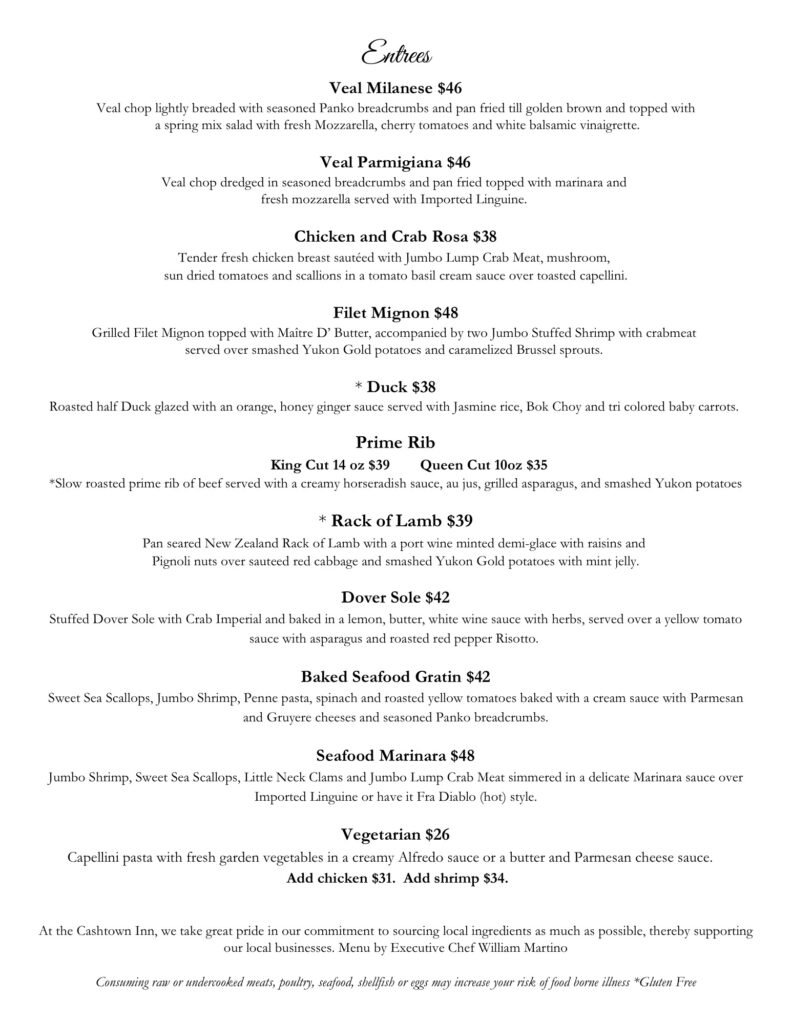
You know that feeling, right? You crave an exquisite meal, something beyond your everyday takeout – a culinary experience that excites the senses, without the lingering dread of a bill that could fund a small vacation. For too long, the idea of "fine dining" has been shackled to exorbitant prices and stuffy atmospheres. But what if I told you that a revolution is quietly brewing? A world where you can discover genuinely Budget-Friendly & Fine Dining Options that elevate your palate without deflating your wallet.
This isn't about finding cheap eats disguised as gourmet. This is about identifying establishments that master the art of delivering high-quality ingredients, innovative techniques, and a memorable ambiance, all at a price point that makes you wonder if they accidentally undercharged you. It’s about smart dining, accessible luxury, and the joy of a truly great meal that doesn't demand a second mortgage.
At a Glance: Your Guide to Elevated Dining on a Dime
- It's Real: Budget-friendly fine dining isn't a myth; it's a growing market driven by savvy diners and innovative chefs.
- Expect Quality: Look for premium ingredients (like Icelandic cod or lamb tenderloin) and fresh, sustainably sourced options, even at lower price points.
- Diverse Cuisines Shine: Unique international and fusion cuisines (Syrian, Peruvian, Vietnamese) often offer the best value and most exciting flavors.
- Price Sweet Spot: Main dishes and appetizers typically range from $13 to $34, offering significant value compared to traditional fine dining.
- Beyond the Food: A pleasant ambiance and skilled chefs are key, creating a full experience without the premium cost.
- How to Find Them: Research, lunch specials, off-peak dining, and exploring chef-driven concepts are your best strategies.
The Rise of Accessible Gastronomy: Why 'Fine Dining on a Budget' Isn't a Myth
For years, the phrase "fine dining" conjured images of Michelin stars, white tablecloths, hushed conversations, and undoubtedly, eye-watering bills. It was a realm reserved for special occasions, corporate cards, or those with truly deep pockets. But the culinary landscape is shifting. There's a burgeoning demand from consumers – young professionals, families, tourists, and food enthusiasts alike – who seek high-quality, innovative culinary experiences without the premium price tag.
This isn't about sacrificing quality; it's about smart sourcing, creative cooking, and a business model focused on value. The market analysis reveals a clear trend: diners prioritize affordability, quality, freshness, and a pleasant ambiance. And restaurants are responding, proving that you can combine a good atmosphere with high-quality ingredients and skilled chefs, all while keeping main dishes and appetizers in a palatable $13 to $34 range.
The key advantages driving this movement are compelling:
- Cost-Effectiveness: You get a significant bump in quality and experience for a fraction of what traditional fine dining might cost.
- High-Quality Ingredients: Many of these establishments proudly feature premium items such as Icelandic cod, lamb tenderloin, and sustainably sourced seafood. They understand that quality starts with the raw materials.
- Unique Culinary Experiences: Forget the same old pasta and steak. This niche thrives on innovation, offering fusion cuisines like Syrian-Mediterranean, Peruvian, and modern Vietnamese-American dishes that truly tantalize the taste buds.
It's a democratizing moment for gastronomy, making elevated meals accessible to a broader audience.
Decoding "Budget-Friendly Fine Dining": What to Look For
So, how do you spot these culinary unicorns? It's not always obvious from the street. Here's what to keep in mind when hunting for those perfect Budget-Friendly & Fine Dining Options:
Beyond the White Tablecloth: Ambiance & Experience
While traditional fine dining often relies on opulent decor, budget-friendly options excel at creating a fantastic atmosphere through thoughtful design, lighting, music, and service. It might be a cozy, intimate bistro, a lively spot with an open kitchen, or a chic, minimalist space. The goal is a pleasant ambiance that complements the food, not distracts from it. You’re looking for a comfortable, inviting space where you feel cared for, even if it’s not adorned with crystal chandeliers.
Ingredient Focus: Quality Over Opulence
This is where the magic truly happens. These restaurants prioritize top-notch ingredients. They might not be serving caviar, but they will offer expertly prepared, fresh, and often locally sourced produce, meats, and seafood. Think:
- Perfectly seared scallops.
- Tender, flavorful lamb tenderloin.
- Fresh, flaky Icelandic cod.
- Vibrant, seasonal vegetables.
The emphasis is on the inherent quality of the components and the skill with which they are handled, allowing the ingredients to shine. This commitment to quality is what truly distinguishes them from your average casual eatery.
Culinary Innovation: The Allure of Niche & Fusion Cuisines
Some of the most exciting and valuable finds come from restaurants specializing in niche international or fusion cuisines. Why?
- Authenticity: They often draw on rich culinary traditions that naturally prioritize fresh, flavorful ingredients and skilled preparation.
- Discovery: These cuisines might be less common in your area, offering a novel experience.
- Value: Ingredients for certain international dishes can be more cost-effective while still delivering complex, satisfying flavors.
Think Syrian-Mediterranean with its aromatic spices and tender meats, the vibrant and fresh flavors of Peruvian cuisine, or the intricate balance of modern Vietnamese-American fusion. These spots often stand out precisely because they offer something genuinely unique and expertly crafted.
Realistic Price Points: Setting Your Expectations
As the research indicates, expect main dishes and appetizers to fall within a $13 to $34 range. This isn't "cheap eats," but it's significantly less than the $50+ entrees common in traditional fine dining. This sweet spot allows for premium ingredients and skilled labor without pushing the price into the "special occasion only" category. Be wary of anything much lower than $13, as it might compromise on the "fine dining" aspect, and anything much higher than $34, as it moves away from "budget-friendly."
Strategies for Savvy Diners: How to Uncover Hidden Gems
Finding these Budget-Friendly & Fine Dining Options requires a bit of savvy, but the hunt is part of the fun. Think of yourself as a culinary detective.
1. Local Market Research: Digging Beyond the Obvious
Don't just rely on the first page of Yelp. Dive deeper.
- Local Food Blogs & Forums: These are goldmines for insider tips and chef recommendations.
- "Best Of" Lists: Look for local publications' lists of best new restaurants or best hidden gems.
- Neighborhood Exploration: Some of the best finds are often tucked away in up-and-coming neighborhoods, outside the prime commercial districts.
- Focus on Value-Driven Locales: For example, if you're looking for healthy dining options in Irvine under $20, you'll quickly learn that certain areas or restaurant types naturally cater to this demand, often overlapping with the budget-friendly fine dining ethos.
2. Lunch Deals & Happy Hours: The Secret Weapon
Many high-quality restaurants offer significantly reduced prices during lunch or for early-bird/happy hour menus. This is your chance to sample their best dishes and experience their ambiance without the dinner price tag. Often, the same chefs and ingredients are at play, just in slightly smaller portions or a more casual setting. It’s a fantastic way to "test drive" a potentially amazing spot.
3. Strategic Tasting Menus: When They Make Sense
While full tasting menus can be expensive, some restaurants offer shorter, more affordable versions, especially at lunch or during off-peak times. If a restaurant is known for its culinary artistry, a strategic tasting menu allows you to experience the chef's vision at a better value than ordering à la carte items individually. Evaluate the price per course against the quality and uniqueness.
4. Off-Peak Dining: Beat the Crowds, Find the Deals
Dining on a Tuesday night instead of a Saturday, or going for an early dinner, can sometimes lead to special promotions or simply a more relaxed, attentive dining experience. Some restaurants might even have specific weekly deals to entice customers during slower periods.
5. Exploring Niche & Ethnic Cuisines: A World of Value
As highlighted, unique international cuisines are often fertile ground for budget-friendly fine dining. They bring complex flavors, fresh ingredients, and often generous portions at a fraction of the cost of their Western counterparts. Don't be afraid to venture into new culinary territories. You might discover an amazing Peruvian ceviche or a delicate Vietnamese pho that rivals any high-end dish. When seeking out Irvine's student cheap eats, you often stumble upon these very types of ethnic restaurants that deliver incredible quality and flavor for their price point, making them perfect candidates for our "budget-friendly fine dining" definition.
6. Following Chefs, Not Just Restaurants
In the modern culinary world, chefs are increasingly building their personal brands. Follow local chefs on social media. Often, they’ll announce new projects, pop-ups, or more casual sister restaurants that maintain their high culinary standards but at a more accessible price point. A chef's reputation for quality will often translate across their ventures.
Case Studies in Culinary Value: Where to Find Them
Let's look at some real-world examples that illustrate these principles, directly from our market research. These aren't just hypotheticals; they’re places delivering exceptional value.
Las Vegas: Beyond the Strip's Glitz
While Vegas is synonymous with lavish spending, its local dining scene offers surprising depth.
- Other Mama: This chef-driven spot defies expectations with dishes like grilled octopus and Nigri sushi sets priced around $25-$29. It exemplifies how skilled preparation and quality seafood can be delivered without an exorbitant price tag.
- The Black Sheep: A modern Vietnamese-American fusion restaurant, offering elevated dishes such as seared duck breast for $19-$34. It showcases how innovative fusion cuisine can provide a unique and high-quality experience without breaking the bank.
- Ping Pang Pong: An award-winning Chinese restaurant known for exquisite dishes like lamb tenderloin and flavorful chicken lettuce cups, typically priced $13-$19. This demonstrates that traditional, well-executed ethnic cuisine can deliver incredible fine dining value.
Staten Island: Unexpected Gastronomy
Often overlooked in the shadow of Manhattan, Staten Island boasts a vibrant, high-quality dining scene, proving that exceptional value can be found in unexpected places.
- Violette's Cellar: Offers an exclusive atmosphere with a sharing dinner menu, encouraging a communal and cost-effective way to sample multiple high-quality dishes.
- Barca: Focuses on high-end seafood, emphasizing local and sustainable ingredients. This commitment to sourcing fresh, quality produce is key to delivering a "fine dining" experience without needing to inflate prices through imported luxuries.
- Bin 5: A Michelin-rated bistro known for fancy cocktails and exquisite Italian cuisine. The Michelin mention itself signals quality, and the ability to find such a place offering accessible price points for its Italian fare proves that critical acclaim and budget-friendliness can coexist.
These examples aren't just isolated incidents. They represent a growing trend of restaurants prioritizing culinary excellence and accessibility.
What Makes a Restaurant a "Budget-Friendly Fine Dining" Contender? (Behind the Scenes)
Understanding how these restaurants achieve their magic can help you identify them. It's not about cutting corners, but about smart, strategic operations. Businesses that succeed in this niche typically employ several key strategies:
1. Smart Sourcing of High-Quality Ingredients
This is foundational. Instead of relying on expensive, globally sourced ingredients, these restaurants often:
- Partner with Local Suppliers: This reduces transportation costs, ensures freshness, and often allows for better negotiation on pricing.
- Utilize Seasonal Produce: Eating in-season is almost always cheaper and more flavorful.
- Focus on Lesser-Known Cuts/Species: A skilled chef can turn a less conventional cut of meat or a sustainable, abundant fish into a culinary masterpiece. For example, focusing on a superb Icelandic cod instead of a more exotic, expensive fish, allows for quality within budget.
2. Mastering Niche Cuisines
Specializing in unique fusion or international dishes allows restaurants to differentiate themselves significantly. This isn't just a marketing ploy; it often means:
- Expertise: Chefs can focus on perfecting a specific culinary tradition, becoming masters of their craft.
- Efficiency: Streamlined menus based on a particular cuisine can lead to more efficient kitchen operations.
- Demand: Unique offerings attract diners looking for new experiences, building a loyal customer base.
3. Optimized Portion Sizes
This is a delicate balance. It's not about stinginess, but about value. These restaurants aim to:
- Balance Generous Portions with Cost-Effective Preparation: Ensuring customers feel satisfied without excessive waste.
- Focus on Ingredient-Driven Value: A smaller portion of a truly high-quality ingredient, expertly prepared, is more satisfying than a large plate of mediocre food.
- Encourage Sharing: Many places design menus with sharing in mind, allowing diners to sample more dishes without over-ordering or overspending, such as at Violette's Cellar.
By controlling costs in these strategic ways, they can pass savings onto the customer while maintaining culinary integrity.
Beyond the Plate: Enhancing Your Elevated Meal Experience
Finding the perfect restaurant is just one part of the equation. A few smart choices can further enhance your budget-friendly fine dining experience.
Smart Beverage Choices
Wine and cocktails can often double your bill.
- Happy Hour Wines/Cocktails: If available, take advantage of these deals.
- BYOB: Some restaurants, particularly smaller, independent ones, allow you to bring your own bottle for a corkage fee. This can be a huge saving if you enjoy specific wines.
- Water or Non-Alcoholic Options: Don't feel pressured to order alcohol if it doesn't fit your budget or preference. Many craft sodas or house-made non-alcoholic drinks can be just as refreshing.
Embrace Sharing Plates
Many of the most exciting budget-friendly fine dining establishments embrace a sharing concept, similar to tapas or mezze. This is fantastic! It allows you to:
- Sample More Dishes: Experience a wider range of the chef's offerings.
- Control Your Spending: Order a few plates at a time and see how you feel, rather than committing to large, expensive entrees.
- Enjoy a Communal Experience: Sharing food fosters conversation and connection, elevating the overall meal.
Making it a Special Occasion, Without the Special Occasion Price Tag
The beauty of budget-friendly fine dining is that every meal can feel a little special. It’s not just for anniversaries or birthdays. If you're accustomed to reserving Irvine's high-end restaurants for special occasions, consider that these value-driven gems can offer a similar sense of occasion more frequently. Dress nicely, bring good company, and savor each bite. The atmosphere, the quality of the food, and the sense of discovery all contribute to an experience that feels truly elevated, even when the bill is modest.
Common Myths About Fine Dining (and Why They're Wrong)
Let's bust some persistent myths that might be holding you back from enjoying these fantastic culinary experiences.
Myth 1: Fine dining is always prohibitively expensive.
Reality: As we've seen, this is precisely what budget-friendly fine dining disproves. Through smart sourcing, niche focus, and operational efficiency, restaurants can deliver high quality without the luxury price tag.
Myth 2: Fine dining only means French or Italian cuisine.
Reality: While classic European cuisines are certainly part of the fine dining landscape, the most innovative and often budget-friendly experiences are found in diverse international and fusion cuisines. The world's culinary traditions offer endless possibilities for refinement and excellence.
Myth 3: You need formal attire to enter a fine dining restaurant.
Reality: While some ultra-high-end establishments still have dress codes, most budget-friendly fine dining spots are more relaxed. "Smart casual" is usually perfectly acceptable – think neat, presentable, and comfortable. The focus is on the food and the experience, not outdated social constructs.
Your Next Culinary Adventure Starts Here
The world of Budget-Friendly & Fine Dining Options is rich, diverse, and waiting to be explored. It’s an exciting time to be a diner, with innovative chefs and smart restaurateurs making elevated meals more accessible than ever before.
Don't let preconceived notions about price or formality hold you back. Embrace the thrill of the hunt, follow your curiosity, and be open to discovering new flavors and experiences. Your next favorite restaurant might be just around the corner, offering an exquisite meal that tastes even better because you know you got incredible value.
So, go forth and explore. Support the passionate chefs and restaurateurs who are redefining what fine dining can be. Share your discoveries with friends, and most importantly, savor every delicious, budget-friendly bite. The culinary adventure awaits!